The Blended Intensive Programme “ESG Investments: A Pathway to Sustainable Success” was held at the Faculty of Tourism and Hospitality Management, University of Rijeka.
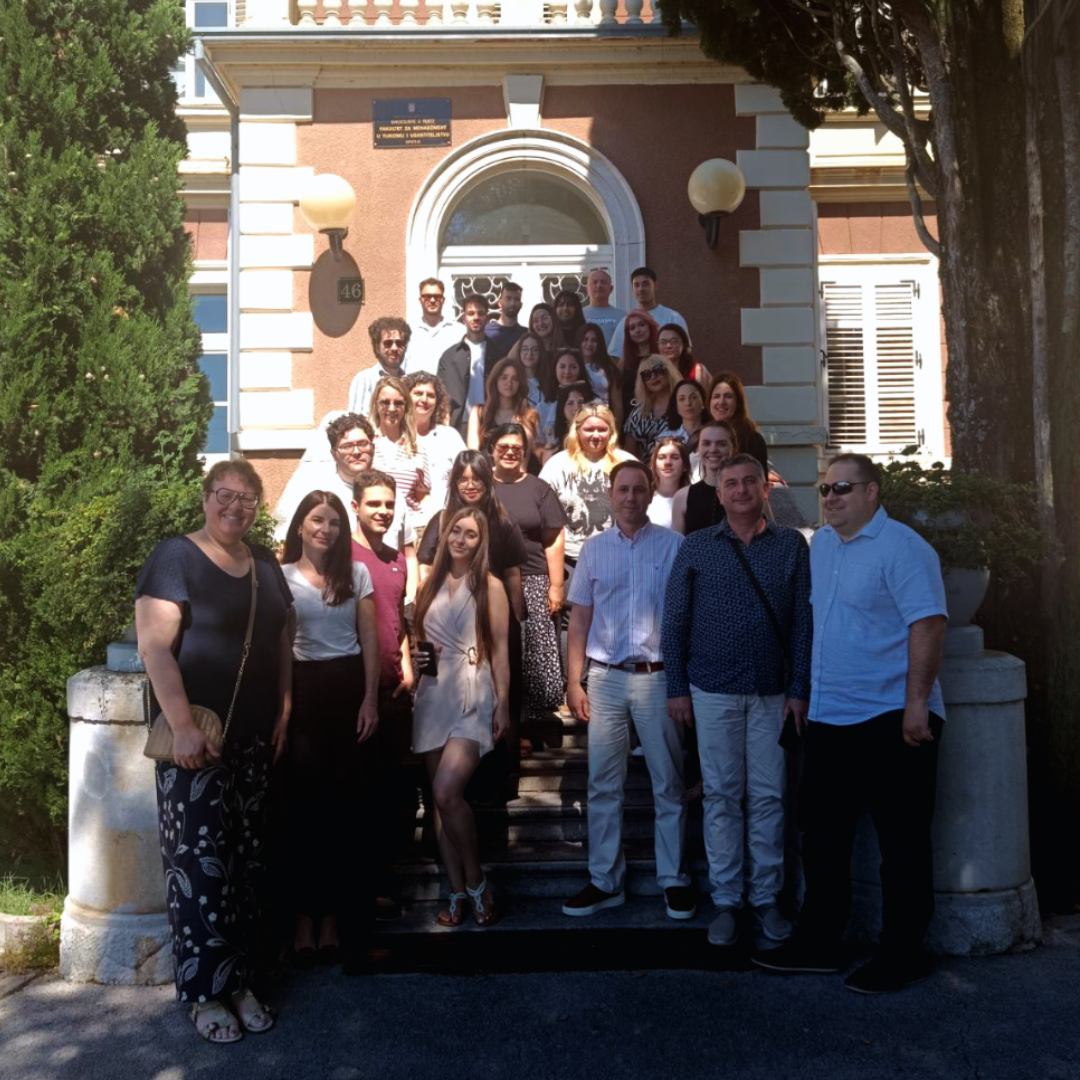
The programme was structured into two interconnected parts. The online part of the BIP was held from 18 to 22 May 2026 via MS Teams, while the onsite part of the programme took place from 8 to 12 June 2026 at the Faculty of Tourism and Hospitality Management in Opatija.
A total of 26 students participated in the programme from the following partner institutions: Mykolas Romeris University, Faculty of Public Management and Business from Lithuania; Bucharest University of Economic Studies, International Business and Economics Department, Center of Research in International Business and Economics — CCREI from Romania; University of Oradea, Faculty of Economic Sciences from Romania; and International Hellenic University, Department of Economics Sciences from Greece.
The implementation of the BIP involved lecturers from the above-mentioned institutions, and a professor from the University of Maribor, Faculty of Economics and Business from Slovenia also delivered teaching sessions. In addition to academic lecturers, representatives from practice were also included in the programme: Zoran Stojanović, Deputy Head of the Credit Risk Management Department at Erste&Steiermärkische Bank, Rijeka, and Marta Prpić, founder of the Greenly brand, a Croatian company focused on promoting sustainable consumption through environmentally friendly products made from recycled materials and renewable sources.
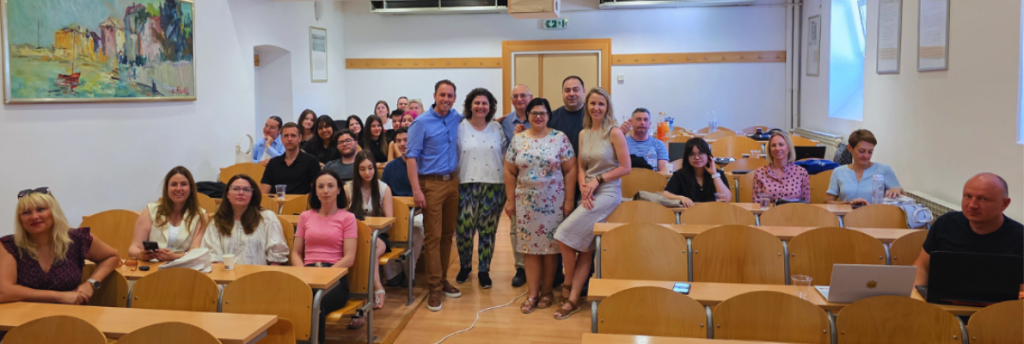
Through lectures, workshops, discussions and case study work, students addressed key topics related to ESG investments, green finance, financial planning, sources of financing for small and medium-sized enterprises, and the evaluation of investment projects. Special emphasis was placed on understanding the role of ESG criteria in contemporary investment decision-making, as well as on applying financial and analytical tools in assessing the sustainability and profitability of investment projects.
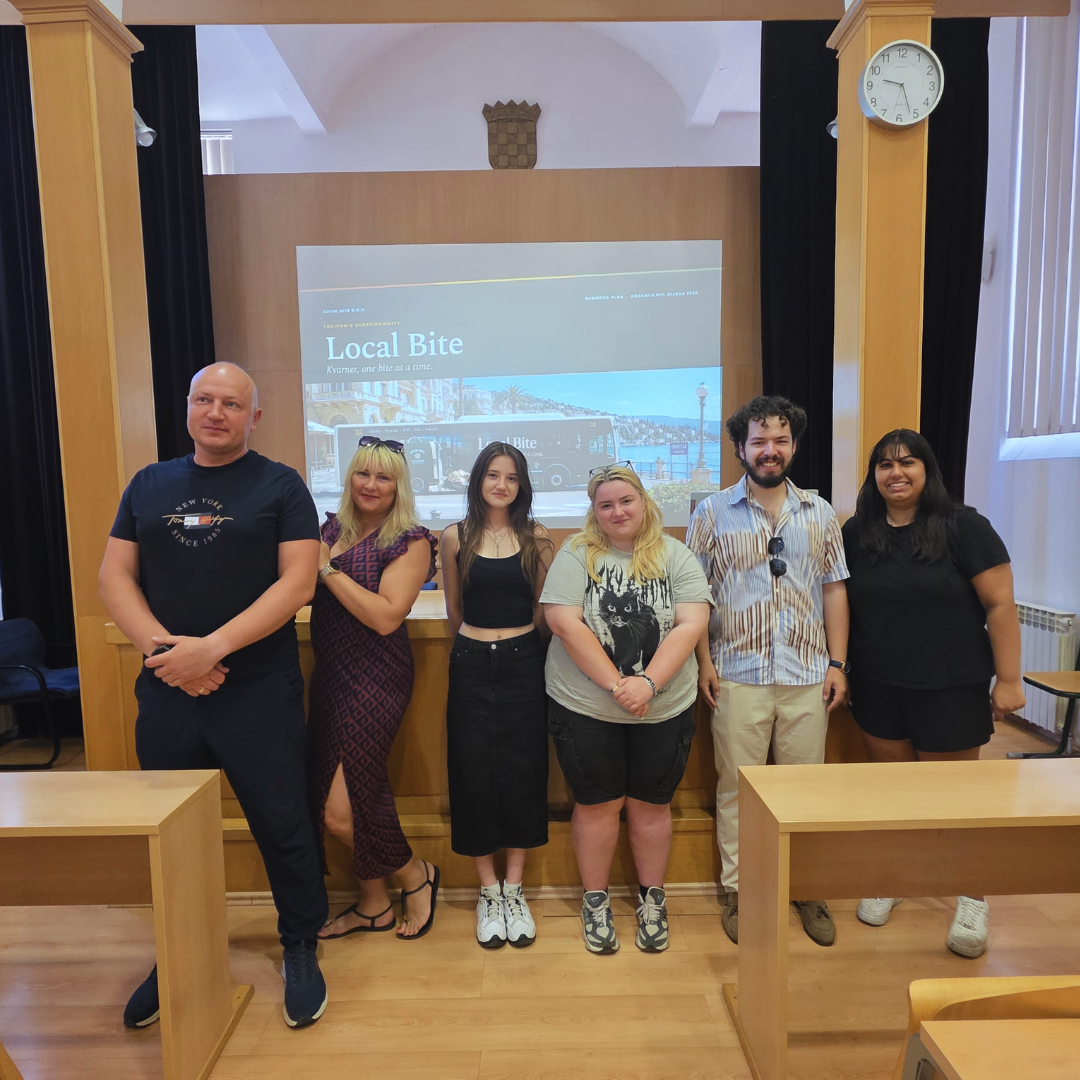
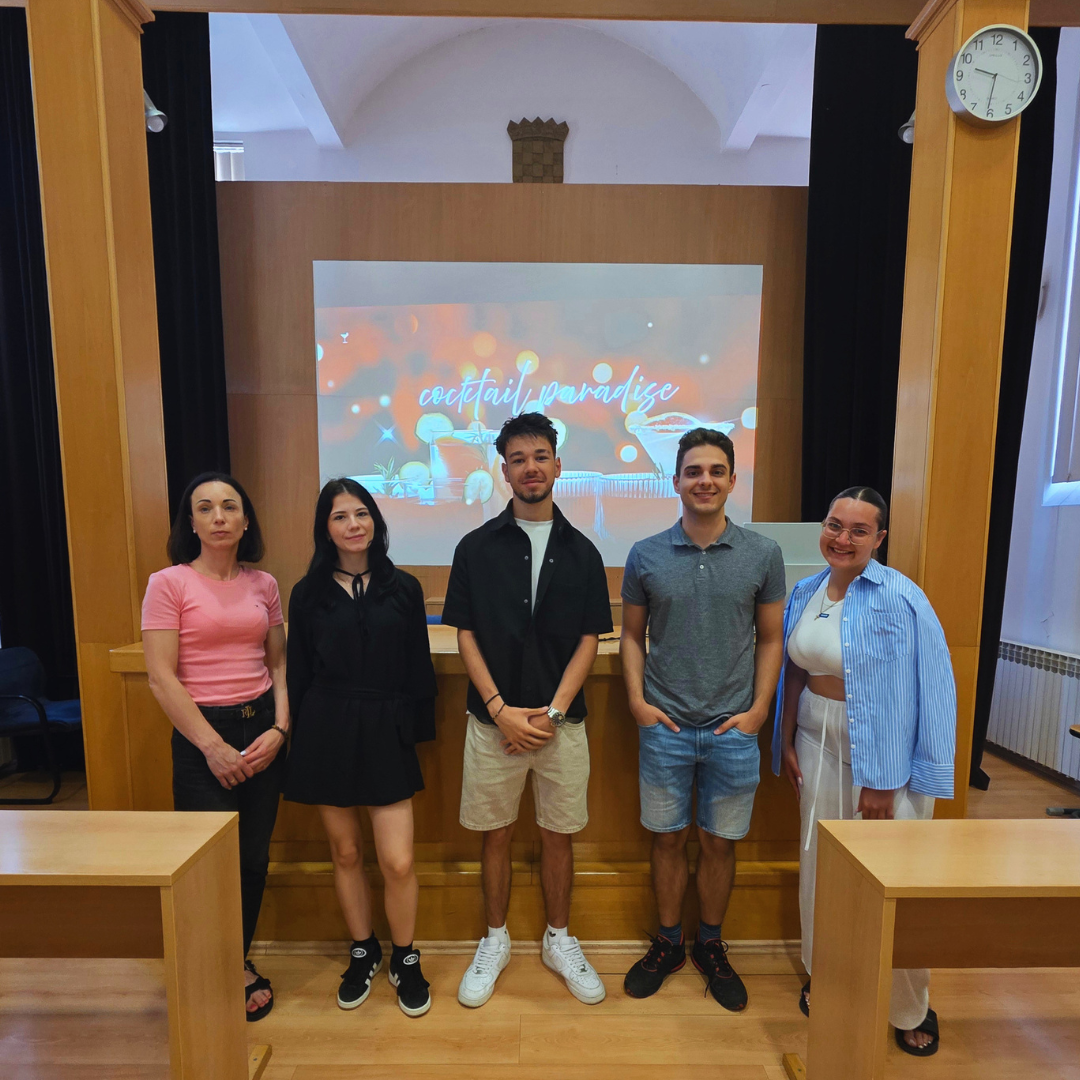
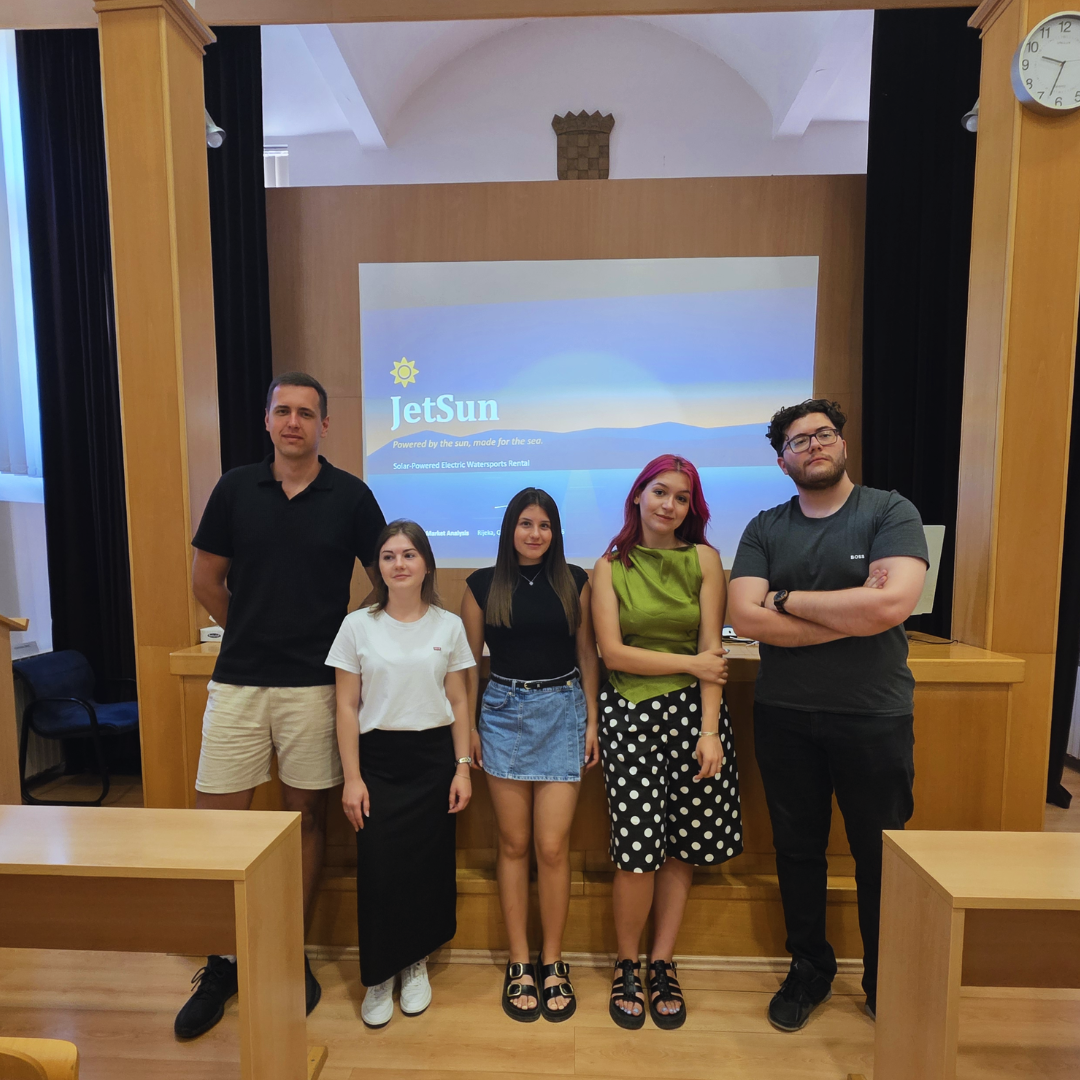
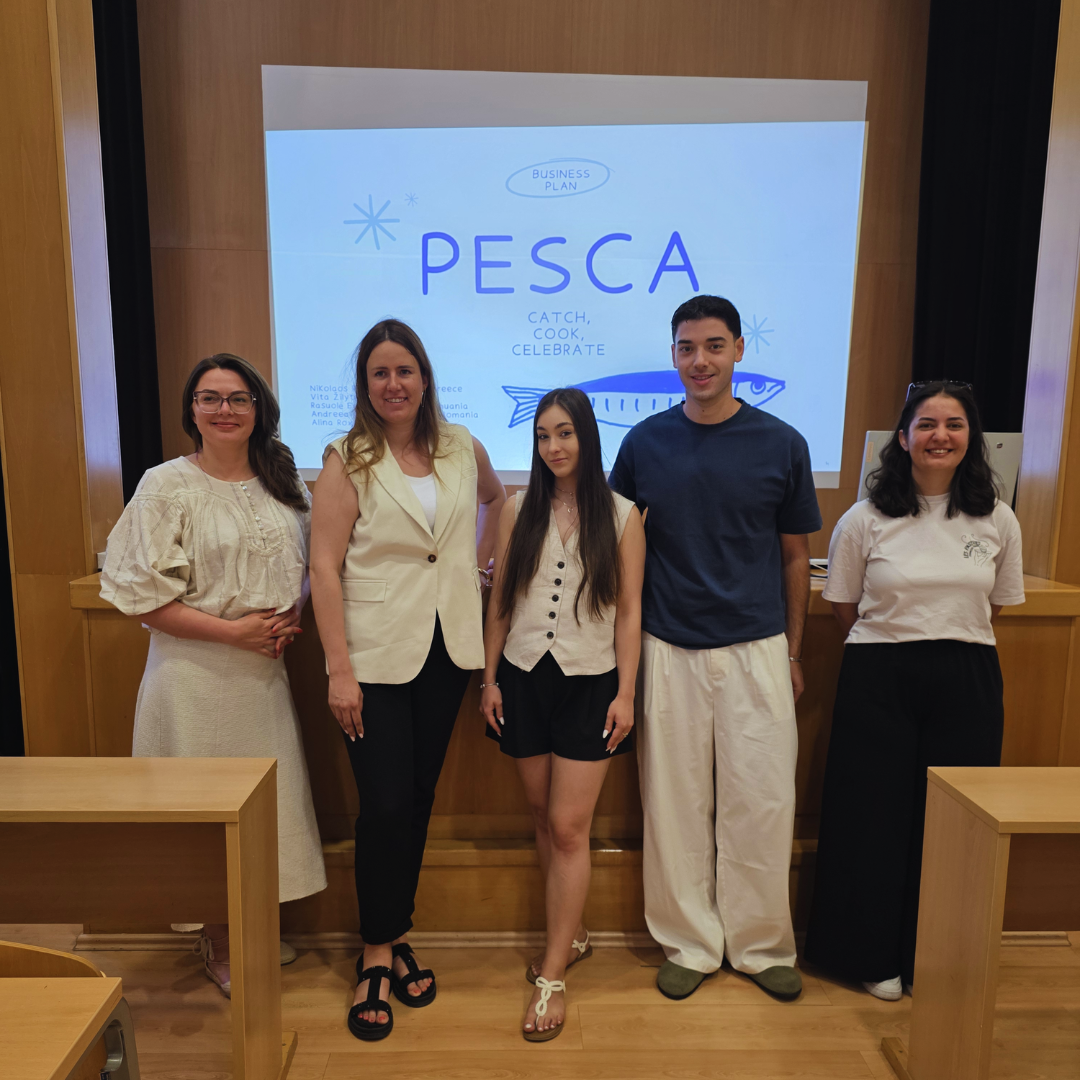
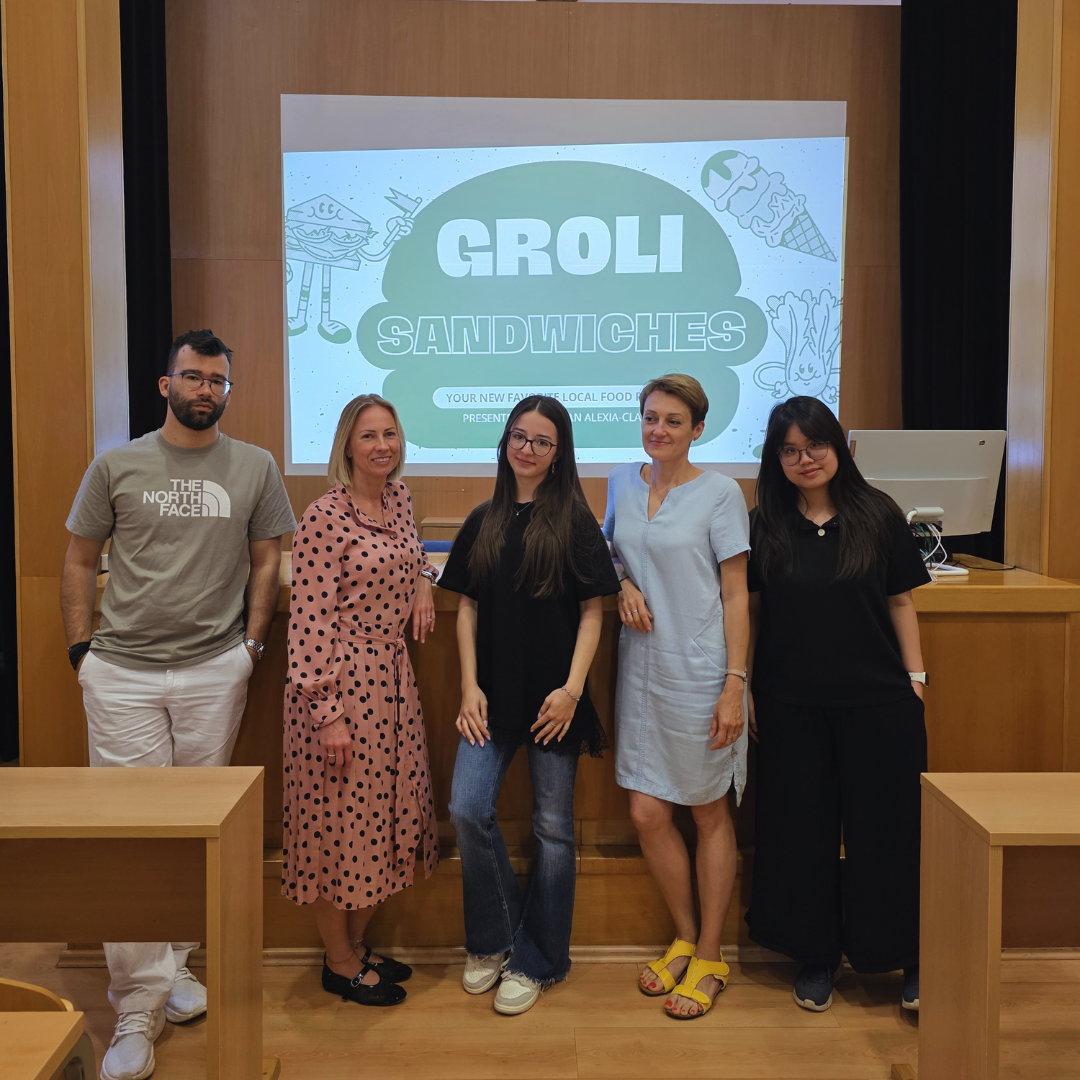
The final part of the programme included student case study presentations, through which participants demonstrated the knowledge they had acquired, their teamwork skills and their ability to apply the concepts covered during the programme to concrete examples.
The programme was successfully implemented and contributed to the development of students’ professional, analytical and international competences, as well as to strengthening cooperation between partner higher education institutions in the field of sustainable finance, investments and the ESG approach to business decision-making.